
News
Sri Lanka Achieves Fiscal Turnaround, Ready for Balanced Spending: World Bank
Sri Lanka has achieved one of the largest fiscal adjustments in its history, equal to nearly 8 percent of GDP over the past three years, according to a new World Bank report released Tuesday. The ad...
Mohamed Hilmy
11 September 2025, 00:00
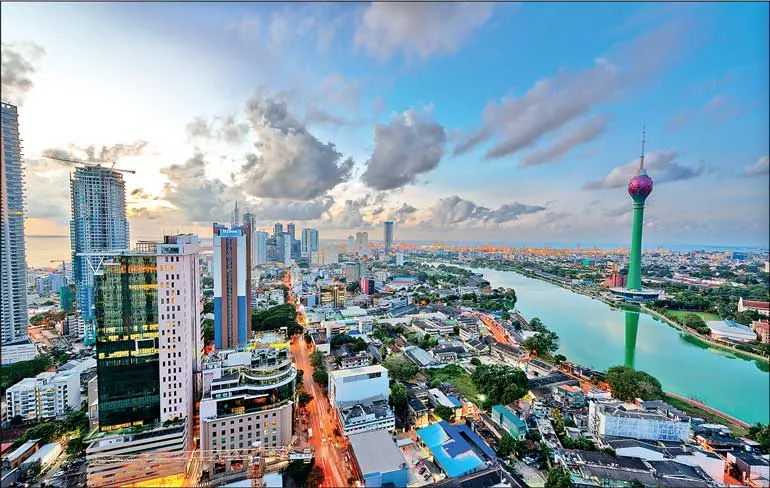
Sri Lanka has achieved one of the largest fiscal adjustments
in its history, equal to nearly 8 percent of GDP over the past three years,
according to a new World Bank report released Tuesday. The adjustment, the Bank
noted, was also sharper and faster than comparable efforts in more than 330
cases across 123 countries since 1980.
The report, Sri Lanka Public Finance Review: Towards a
Balanced Fiscal Adjustment, finds that while the fiscal measures helped
restore economic stability, they also weighed on households through higher
indirect taxes, reduced real public-sector wages, and slower growth due to cuts
in public investment.
With the economy now stabilized, the World Bank says Sri
Lanka is well-positioned to focus on making public finances more equitable and
efficient. The review estimates the country could raise revenues by up to 2
percent of GDP by 2029 without undermining growth or equity, while improved
targeting and management of spending could deliver better results within
existing budget limits.
The review recommends a series of next steps: raising
revenue more fairly and efficiently by shifting toward direct taxes such as a
minimum corporate income tax and digitizing tax administration; spending
smarter, not more, through measures like better wage management in the public
sector, protecting essential frontline services, and modernizing pay systems;
reprioritizing capital investments to close infrastructure gaps, complete
ongoing projects faster, and strengthen project selection and management; and
enhancing social protection by targeting assistance more effectively, expanding
the social registry, and moving from universal subsidies to focused support for
vulnerable groups.
“Now that Sri Lanka has largely stabilized its economy, the
challenge is to get better results from every rupee collected and spent,” said
David Sislen, World Bank Division Director for Maldives, Nepal, and Sri Lanka.
“This means modernizing tax administration, focusing on direct taxes, and
making sure public spending is both efficient and fair—especially for the most
vulnerable.”
The review also highlights the importance of linking
planning and budgeting more closely, improving accountability, and focusing on
measurable performance outcomes. The World Bank said such reforms would help
deliver better services, support inclusive growth, and build long-term fiscal
resilience.
The Public Finance Review (PFR) is a core World Bank
diagnostic conducted every five years in member countries. The latest Sri Lanka
PFR was prepared in collaboration with the Ministry of Finance and supported by
targeted technical assistance in priority areas.
Leave a comment
Comments
No comments yet. Be the first to comment!
Latest News
News
SME Digital Opens MVR 10 Million Gateway to Guesthouse Tourism
11 Feb 2026
News
Maldives Sets Sights on 2027 Tourism Boom, Ministry Launches Branding Drive
11 Feb 2026
News
No Gas Shortage in Maldives, STO Assures Public Amid Supply Fluctuations
11 Feb 2026
News
Maldives Tourism Opens 2026 Strong as Arrivals Top 303,000, Led by China and Russia
11 Feb 2026